CSIR – Central Road Research Institute
Delhi – Mathura Road, New Delhi – 110025
A Sustainable Response to Bitumen Imports and Pollution due to Stubble Burning
This page presents a comprehensive technical overview of CSIR-CRRI’s bio-bitumen technology developed using pyrolysis of rice straw (parali) for sustainable flexible pavement construction.
India’s road construction sector is critically dependent on petroleum-based paving bitumen. Nearly 49% of the national bitumen requirement is met through imports, resulting in an annual foreign exchange outgo of approximately ₹25,000 crore. This dependence exposes the sector to global crude oil price volatility and supply-chain risks.
At the same time, India generates more than 600 million tonnes of agricultural residue annually. A significant fraction of this biomass, particularly rice straw (parali), is burnt in open fields due to the absence of economically viable utilisation pathways, leading to severe air pollution, greenhouse gas emissions, soil nutrient loss and public health impacts.
Addressing these challenges independently has yielded limited success. A convergent solution that simultaneously reduces bitumen import dependence and mitigates stubble burning is therefore essential for sustainable, resilient and environmentally responsible road infrastructure development.
CSIR-CRRI, in collaboration with CSIR-Indian Institute of Petroleum (IIP), has developed an innovative bio-bitumen technology using pyrolysis of rice straw. The resulting bio-oil is upgraded through chemical unit operations to produce a bio-binder suitable for flexible pavement applications, either as a partial replacement or as a modifier to conventional VG-grade bitumen.
Rice Straw → Pyrolysis → Bio-Oil → Bio-Binder → Flexible Pavements
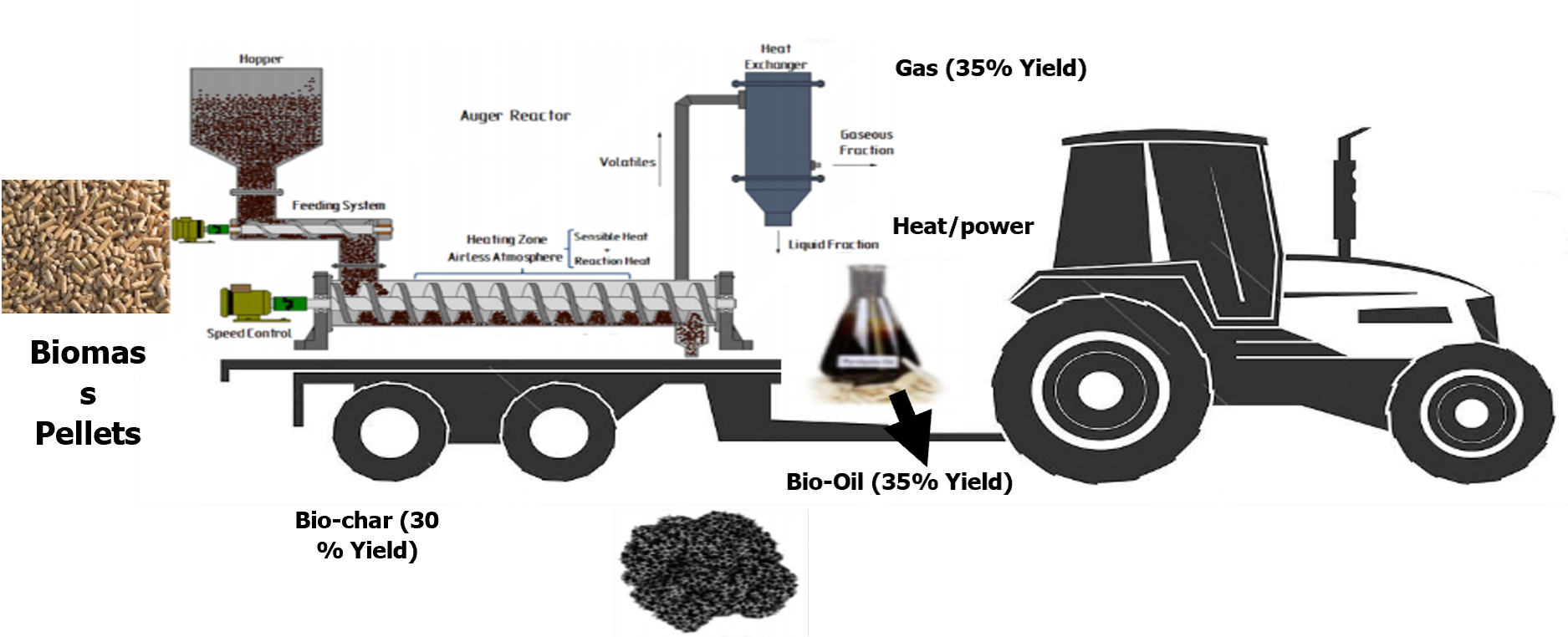
Controlled thermal decomposition of rice straw produces bio-oil, bio-char and gaseous products.
Rice straw is densified into pellets and processed through pyrolysis to obtain bio-oil, which is further upgraded into a bio-binder suitable for flexible pavement applications.

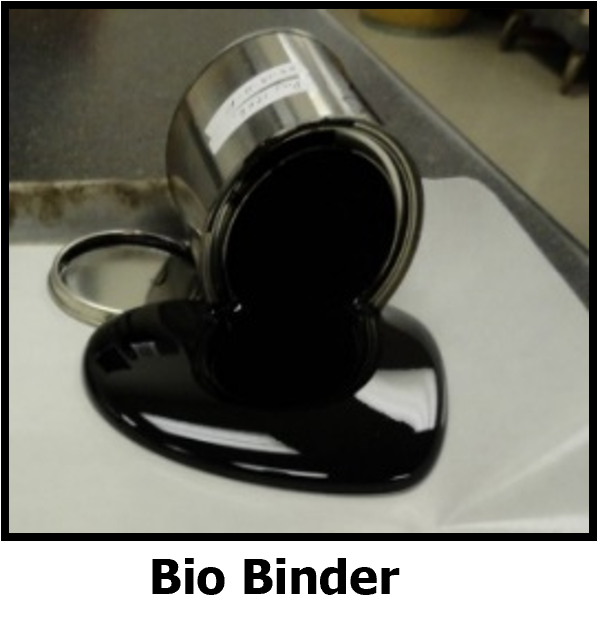
Bio-binder is used in hot mix asphalt with conventional equipment and practices.
A bio-bitumen trial section was successfully constructed on 26 October 2024 on the NH-6 (Jorabat–Shillong Expressway), demonstrating satisfactory field performance under traffic.
A short technology demonstration video covering the bio-bitumen production process, laboratory development and field implementation is available at the link below.
▶ Watch Bio-Bitumen Technology VideoNote: The video opens in a new browser tab.